How to price your salon services
Listing examples reviewed 29 October 2026.
Most salons price by looking at what the salon down the road charges. That tells you what the market will bear, but not whether the service earns you anything. Both matter.
Work out what an hour of your time costs
Before you can tell whether a price is good, you need the floor beneath it. Add up what the business costs to run in a month, whether or not anyone sits in the chair: rent, electricity and water, data, salaries and retainers, software, licences, loan repayments.
Then estimate the hours you genuinely sell in a month. Not the hours you are open — the hours a paying client is actually in a chair. For most salons this is dramatically lower than opening hours, and facing that number honestly is most of the value of the exercise.
Monthly costs divided by sellable hours gives you the cost of an hour before you have paid yourself or made a profit. Every service price has to clear its share of that, plus its own materials.
Price by chair time, not by service name
This is the change that reorders most menus. A service that sounds premium but occupies four hours at a modest price can earn less per hour than a quick service you think of as minor.
Work out revenue per hour for each service: price divided by the real time it occupies, including processing and clean-up. Then rank the menu by that number.
The ranking is usually uncomfortable and always useful. It shows which services are quietly subsidising others, which ones are worth promoting, and which need either a price rise or a rethink of how they are delivered.
Count materials properly
Product cost per service is easy to underestimate because it is bought in bulk and used in fractions. Work out roughly what a single application costs — colour, developer, extensions, gel, wax, towels laundered.
Pay particular attention to services where material cost varies with the client. Hair length and density can double the extension count or the number of colour tubes. If you charge one price regardless, you are averaging, and the clients with the most hair are the ones you are subsidising most.
The fix is usually to price in bands — by length, by size, by number of packs — rather than to argue at checkout.
Look at the market, then place yourself deliberately
Now look outward. Find out what comparable businesses in your area charge for the same work — not the aspirational salon across the city, but the places your clients would realistically choose instead.
Then decide where you sit and why. Charging more than the salon nearby is entirely viable if something justifies it: specialist skill, a better space, more time per client, a scarce service. What does not work is charging more for identical work in an identical setting and hoping clients do not compare.
Being the cheapest is a position too, but it is the hardest one to hold, because anyone can copy it and you have the least room when costs rise.
Raise prices in a way clients can accept
Prices have to move as costs do. The salons that struggle are the ones that hold prices for years and then correct all at once, which is the version clients actually resent.
A few things make an increase land better:
- Tell regulars before they find out at checkout
- Give a few weeks' notice, and honour bookings already made at the old price
- Move a smaller amount more often rather than a large correction rarely
- Raise the services that are furthest below their real cost first, not everything uniformly
Expect to lose a small number of clients. That is the normal outcome of a correct increase, and it is usually offset by the margin on the ones who stay. The signal to watch is not whether anyone leaves — it is whether your revenue per hour went up.
Review on a schedule, not on a feeling
Put a date in the calendar — twice a year is plenty — to re-run the numbers: cost per hour, revenue per hour by service, material costs. Costs drift quietly, and the point of a schedule is to catch the drift before it becomes a correction.
Reporting that breaks revenue down by service does this work for you. Once you can see which services earn and which merely fill the book, pricing stops being a guess.
Self Vibe for Business gives salons, barbershops, spas and beauty businesses online bookings, team schedules, client records, reminders, checkout and reports in one workspace.
Create a free Self Vibe business account
Current Ghanaian listings to make this practical
These menus illustrate why a starting price and a fixed price need different labels. Art, length and the base treatment can be separate decisions; an example price is not a recommendation that every business charge the same amount.
Fafali's Claw
Published menu examples: Pedicure for Men (GHS 250, 60 minutes); Pedicure for Women (GHS 180, 60 minutes).
Fafali's Claw — inspect the current public menu and location before using it as a comparison.
Nails by Asher
Published menu examples: Nail extensions (GHS 100, 90 minutes); Nail extensions with art and designs (GHS 300, 120 minutes).
Nails by Asher — inspect the current public menu and location before using it as a comparison.
Apply this to your own business
Calculate your own time, products, overhead and margin before using another menu as a comparison. Explain what changes a from-price and review the final appointment scope with the client.
Source check: These are public listing and menu examples checked on 29 October 2026. They are not testimonials, sales figures or evidence that a featured business uses every workflow described in this article.
Run the business with clearer numbers
Set up your services and appointments in one place, then make decisions from what actually happened.
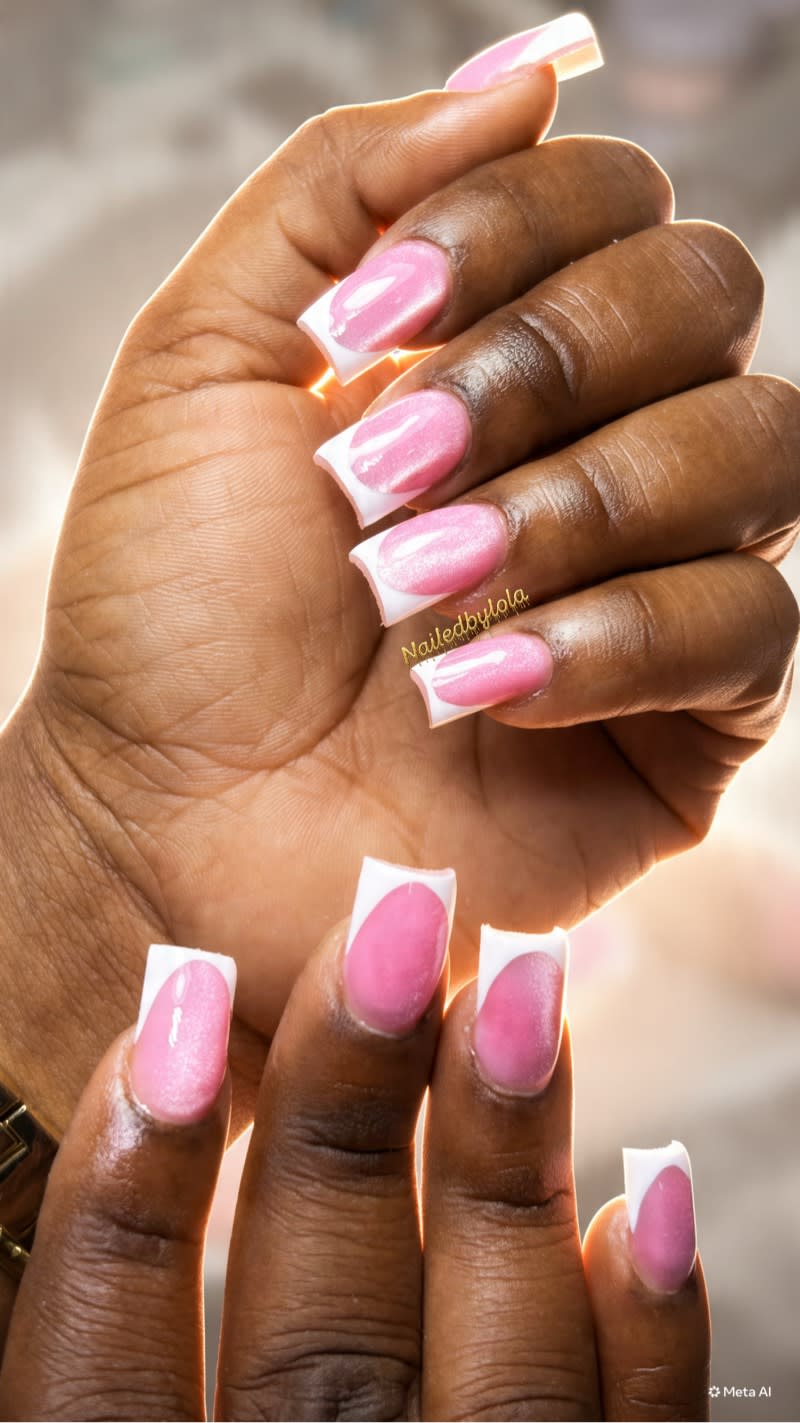
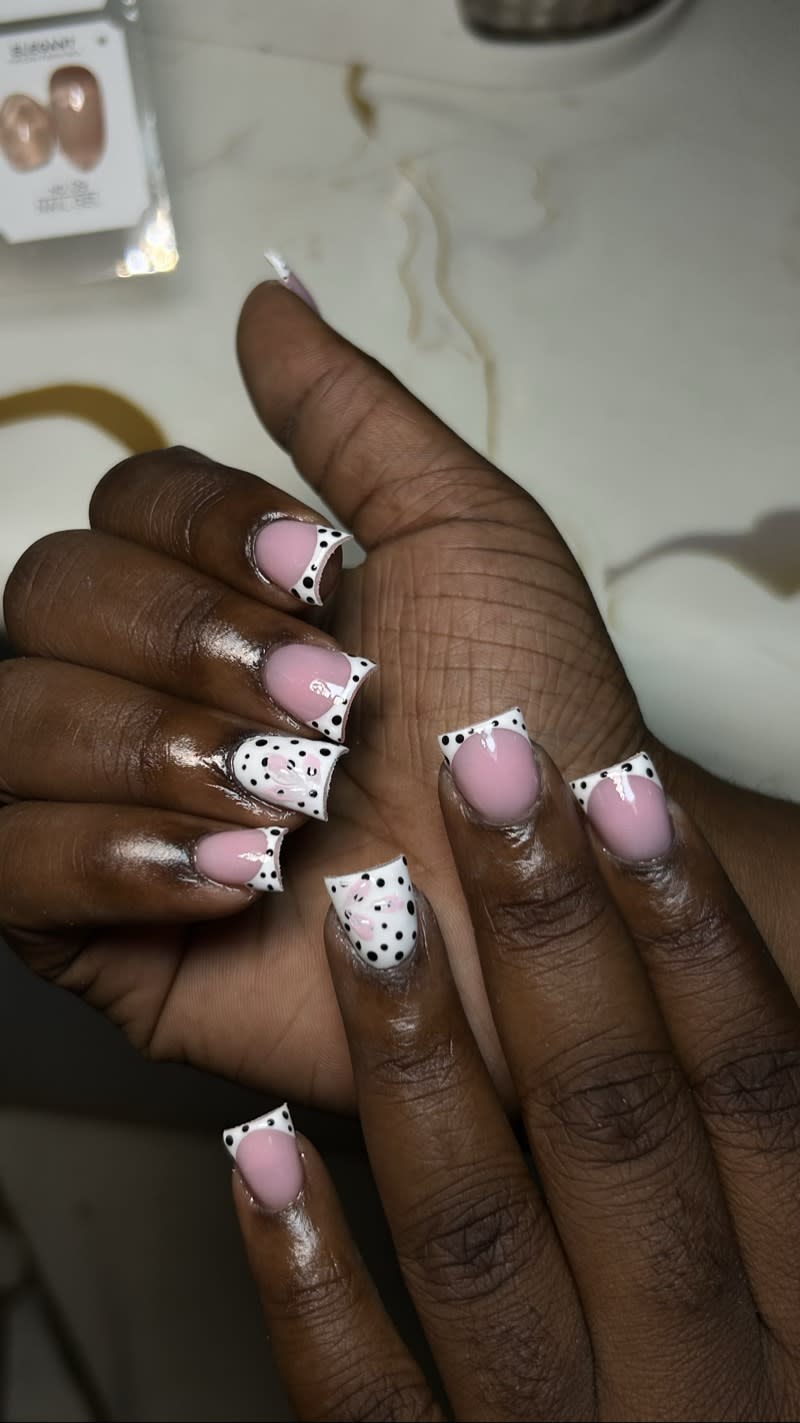
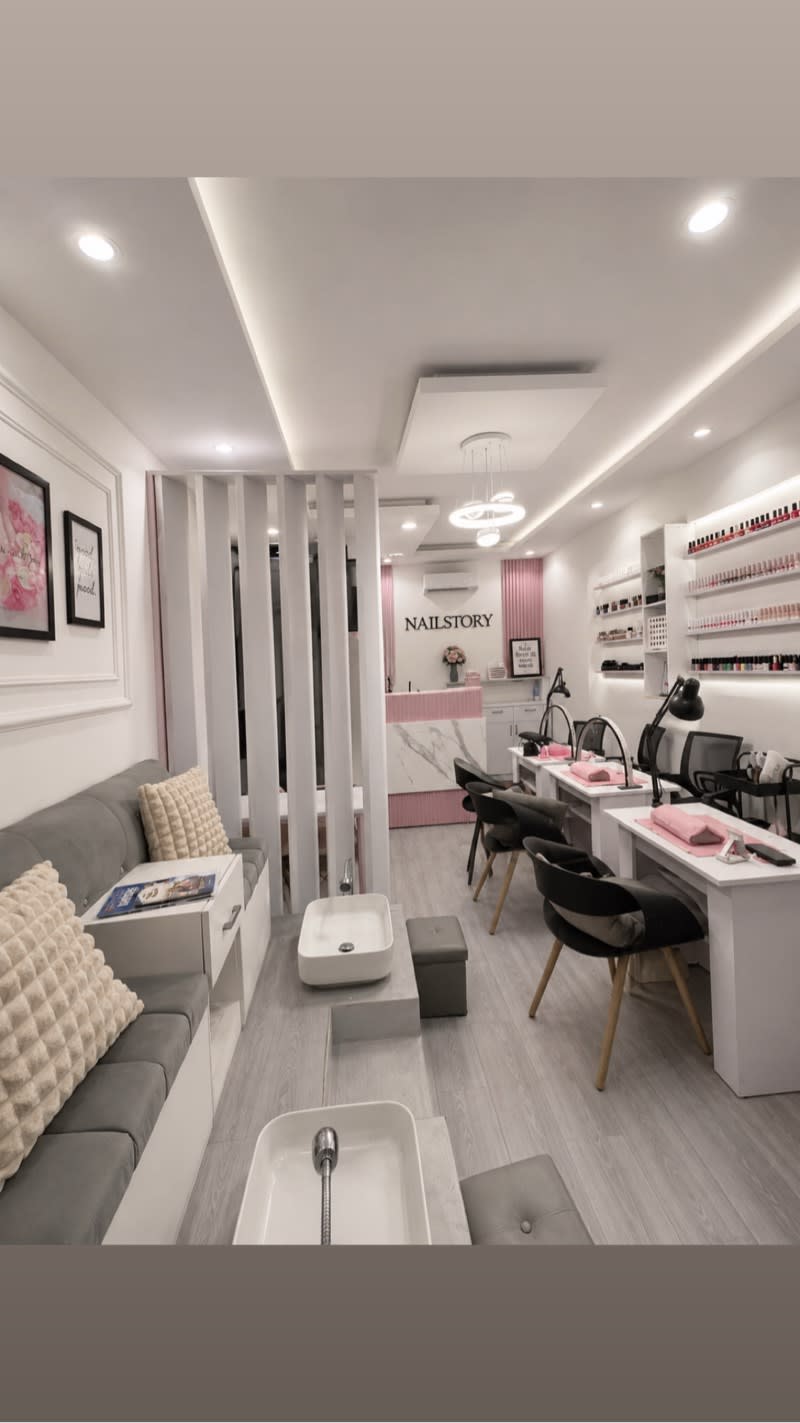
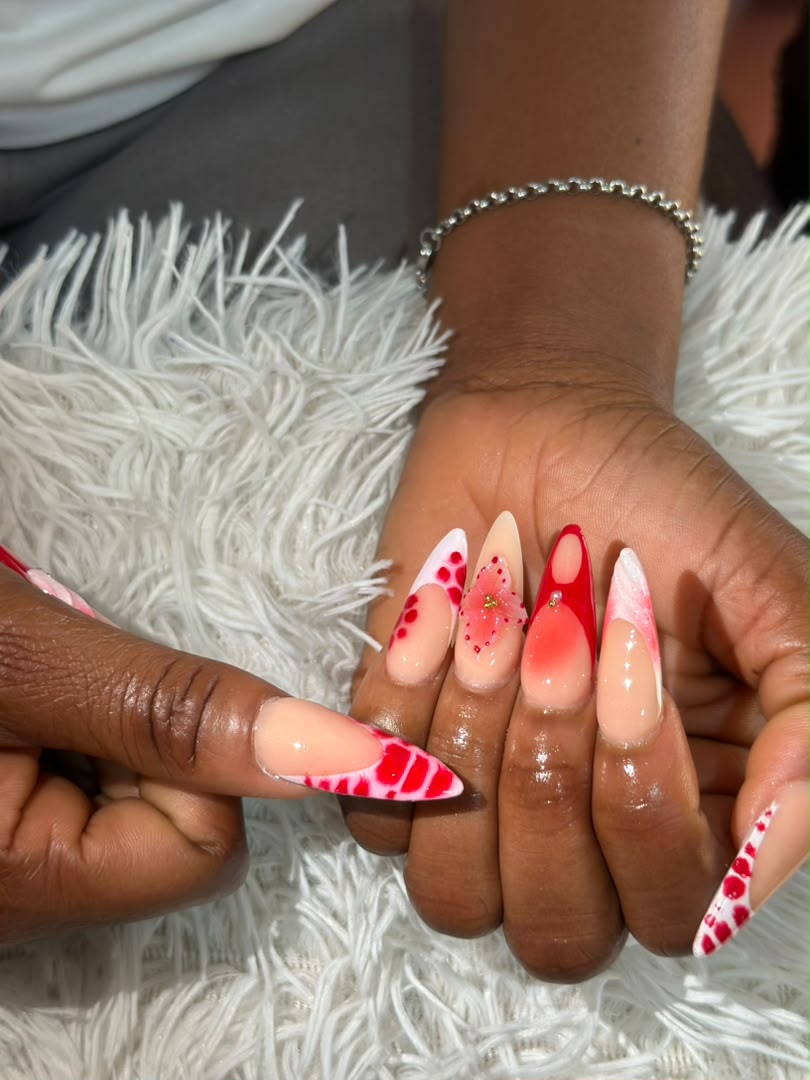
Featured image source: Fafali's Claw’s public Self Vibe profile. Images illustrate the featured business; service examples and prices come from its menu.
Self Vibe Team
The Self Vibe team helps beauty and wellness businesses across Ghana run their appointments, clients and day-to-day operations more clearly.